


All-Season Tires vs. Snow Tires: The Science of Winter Driving in Boonville NY
All-Season Tires vs. Snow Tires: Why Boonville Drivers Know Better
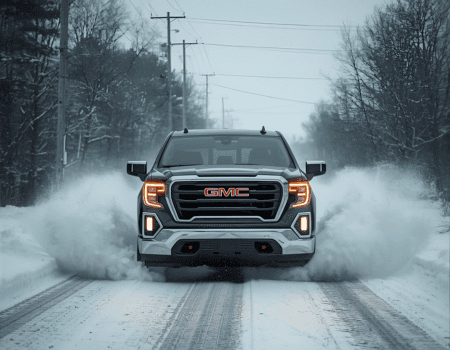 If you live in or around Boonville, you already know winter doesn’t wait for the calendar. Snow shows up early, sticks around late, and finds its way into every back road and driveway. When you spend half the year driving in cold, slick conditions, the kind of rubber under your truck matters.
All-season tires sound tough, but their name oversells them. Once the air dips below 45°F, the rubber begins to stiffen. Hard rubber can’t conform to the microscopic bumps and texture of frozen pavement, which means your tire loses grip. Snow tires, built with a cold-weather compound rich in silica, stay soft and flexible so they can grip instead of glide.
The Chemistry of Cold Grip
Rubber molecules move less as temperatures drop. That loss of flexibility is why a summer tire feels like plastic in January. Snow tires are engineered with special polymers that resist hardening in the cold. Their rubber stays elastic down to around –40°F, which lets the tread maintain full contact with the road even in subzero weather.
All-season tires, by contrast, are optimized for longevity and fuel economy. Their harder rubber wears beautifully in warm weather but behaves like a hockey puck once it freezes. That difference is what causes wheel-spin when you pull onto a hill or try to stop at an icy intersection.
Tread Built for Snow, Ice, and Slush
Snow tires use deep grooves and thousands of narrow cuts called sipes. Each sipe acts like a miniature edge that bites into snow or sheds thin layers of water. Together, they keep your tires clearing slush instead of riding on top of it.
All-seasons trade that aggressiveness for quiet, comfort, and efficiency. Great for three seasons of the year, but not the fourth.
Tests consistently show the impact: on icy roads at just 20 mph, snow tires can shorten stopping distance by 30 to 40 percent. For trucks, that can mean several full vehicle lengths.
The Tradeoff That Works in Your Favor
Because snow tires are softer, they wear faster on warm pavement. That’s why you swap them out in spring. But when you rotate between two sets, each one lasts longer. Your all-seasons rest during winter while your snows handle the cold months. Over time, the cost difference evens out.
It’s like owning two pairs of boots—work boots and snow boots. You could get by with one, but life’s easier and safer with the right tool for the job.
Built for Boonville Roads
From the hills outside town to Route 12 in mid-January, snow tires give Boonville drivers the confidence to tow, haul, and commute without white-knuckling every turn. They dig in when the roads get slick and help you stop short when the plows haven’t caught up yet.
Schedule your seasonal tire change or talk to the service team at Matt Nimey GMC about rebates on certified snow tires. A few minutes in the shop now can save you a long wait in a ditch later.

0 comment(s) so far on All-Season Tires vs. Snow Tires: The Science of Winter Driving in Boonville NY