


Why Is My TPMS Light On?
The Science Behind Boon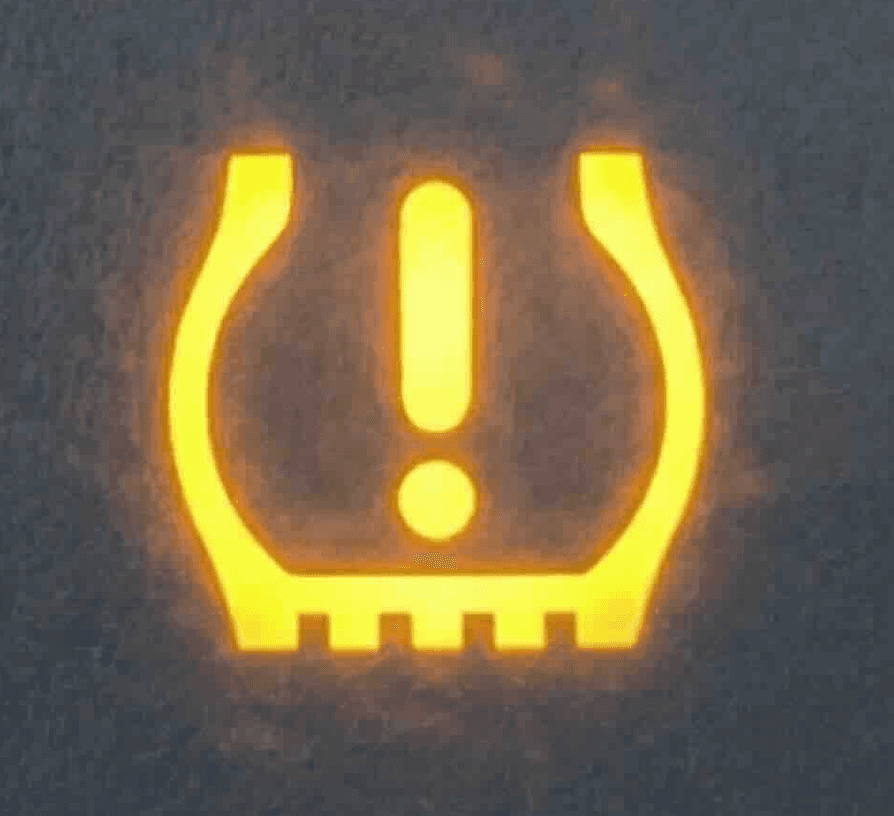 ville’s Freezing Temps and Tire Pressure
If you live in Boonville, you are no stranger to mornings where the thermometer stays at zero or lower. On these frigid days, many local drivers are greeted by a glowing horseshoe-shaped light on their dashboard. This is your Tire Pressure Monitoring System (TPMS) alert. Yes, a warning light can induce some stress, but understanding the science behind cold weather and air pressure can help you determine if you have a real problem or just a case of “winter air.”
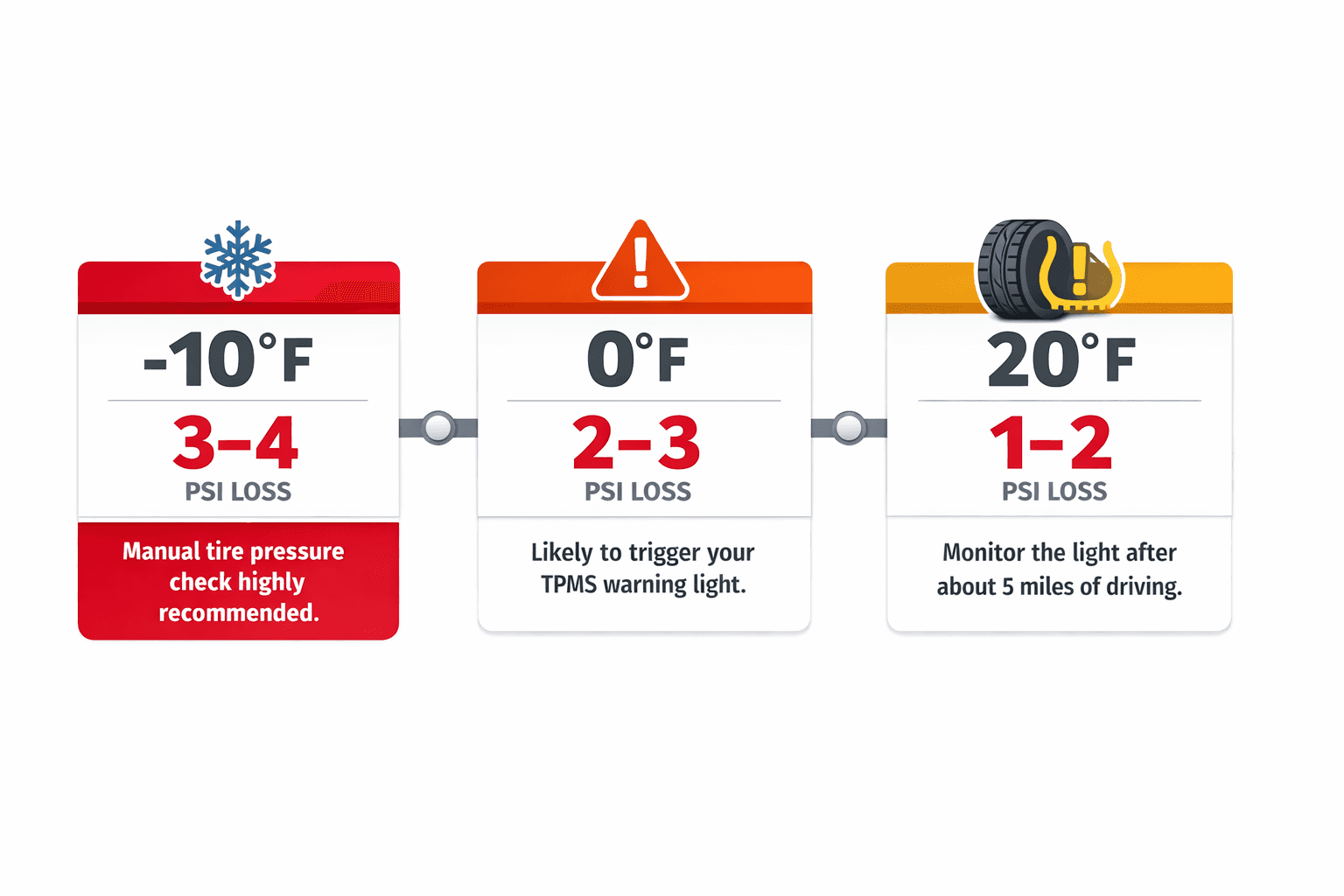
The relationship between temperature and tire pressure is governed by some basic physics. As the air inside your tire gets colder, it becomes denser and takes up less space. This causes the internal pressure to drop. On average, a tire loses about one pound per square inch (PSI) for every 10-degree drop in the outside temperature. In a region like ours, where the temperature can swing 30 or 40 degrees in a single day, it is very common for the TPMS light to pop on when it’s a particularly cold morning.
In many cases, the light may turn off once you have been driving for a few miles. This happens because the friction of the tire against the road generates heat, which expands the air and raises the pressure back into the acceptable range. However, just because the light goes off does not mean you should ignore it. Consistent under-inflation is hard on your tires and reduces your traction on snowy Adirondack backroads.
How do you know if it’s a real problem? If only one tire is significantly lower than the others, or if the light stays on even after the car has warmed up, you may have a slow leak or a faulty sensor. Extreme cold can also cause rubber seals and valve stems to become brittle, making it easier for air to escape.
The best practice is to check your tire pressure manually with a reliable gauge once a month during the winter. You can find the correct PSI for your vehicle on the sticker inside the driver’s side door frame. At Matt Nimey GMC, we are happy to help you keep your tires at the perfect pressure. We can also test your TPMS sensors to confirm they are functioning correctly, so you can drive with confidence through the heart of the North Country winter.

0 comment(s) so far on Why Is My TPMS Light On?